c. 1200 BCE, standard version
The Epic of Gilgamesh
Tablet XI retells the flood, with the Anunnaki lifting torches to light the land as the storm breaks and later weeping at what they have unleashed.
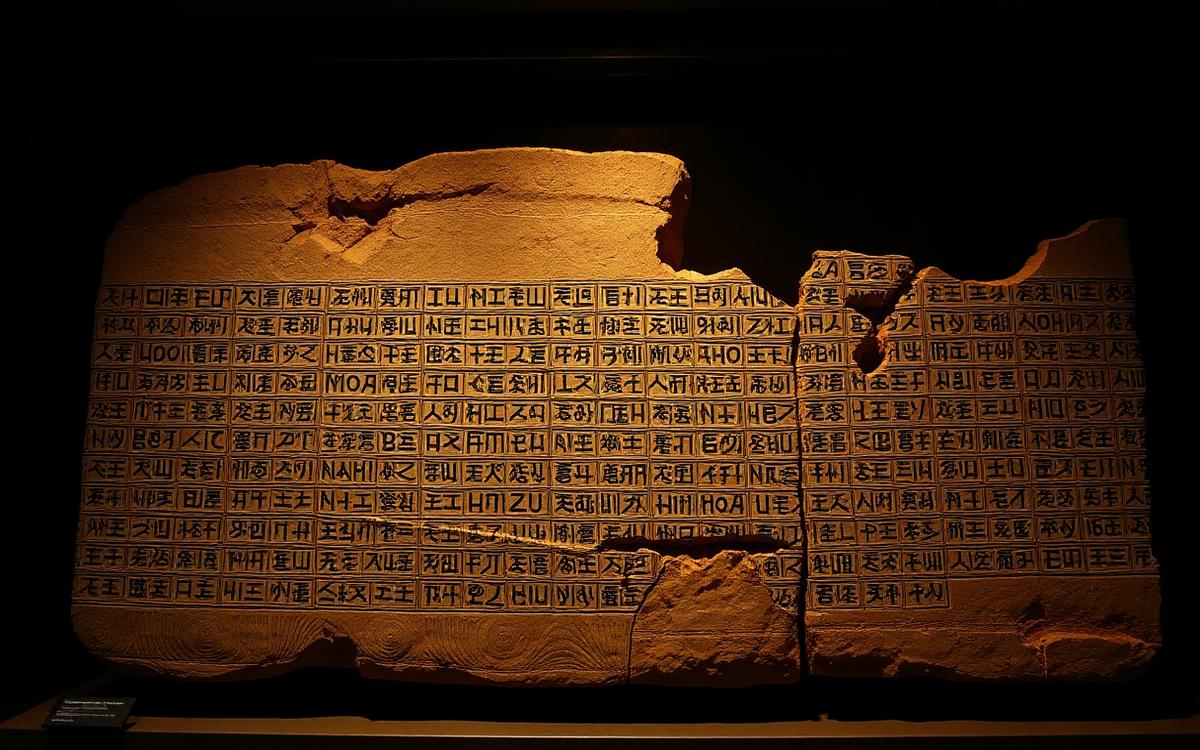
The Anunnaki at the flood
In Uta-napishti's account the Anunnaki raise their torches, 'setting the land ablaze with their glare', as the storm arrives. When it passes and all humanity has turned to clay, they weep with Ishtar, lips parched, in a scene that gives the gods no dignity at all. It is the most cinematic appearance of the Anunnaki in any text and lasts perhaps twenty lines.
Borrowed from Atrahasis
Tablet XI is an adaptation of the older Atrahasis flood, dropped into the Gilgamesh epic to answer a different question — not why humanity was nearly destroyed but why one man escaped death and no one else can. The seam is visible: Uta-napishti tells the story as a reminiscence, and the moral he draws is about mortality, not noise.
Smith's discovery
When George Smith read the flood tablet at the British Museum in 1872 and recognised a Babylonian Noah, he reportedly began undressing in his excitement. The publicity that followed funded new excavations at Nineveh and put Assyriology, and the Anunnaki with it, into the Victorian public imagination — the first step toward the modern myth.