c. 1900 BCE, Sumerian
Inanna's Descent
Inanna enters the underworld and is judged by the seven Anunnaki, who fix on her the eye of death. Her release costs a substitute: her husband Dumuzi.
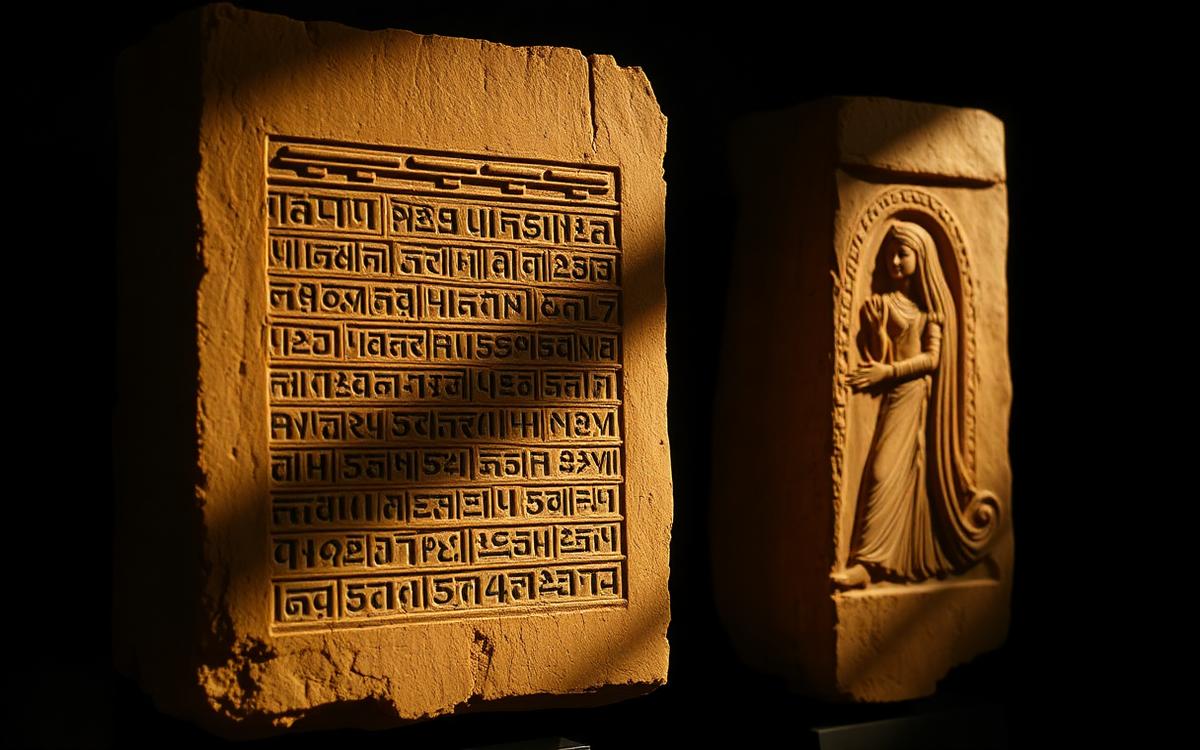
The seven gates
The descent is told as a stripping. At each gate Neti removes an item of regalia and answers every protest with the same formula: 'Quiet, Inanna, the ways of the underworld are perfect; they may not be questioned.' The repetition is the point — a ritual disrobing that turns the queen of heaven into an ordinary corpse by the seventh threshold.
Where the Anunnaki sit
This is the text most often cited by Assyriologists when explaining what the word originally meant, because here the Anunnaki are unambiguously chthonic: seven judges seated below the earth, not travellers from above it. Sumerian usage is fluid, and elsewhere they are the great gods generally, but the underworld sense is early and stubborn.
Dumuzi's half-year
The final third of the poem follows Inanna hunting for someone to take her place, and is far bleaker than the descent itself. Her sons and servants are spared because they are in mourning; Dumuzi is not, and is dragged away. Geshtinanna's offer to alternate with her brother is the one act of unforced love in the poem.