Nibiru
A twelfth planet, Nibiru, carries the Anunnaki on a 3,600-year orbit.
Nibiru appears in Babylonian astronomy as a name for a crossing point, most often associated with Jupiter. No cuneiform text gives it an orbit or inhabitants.
What the tablets say
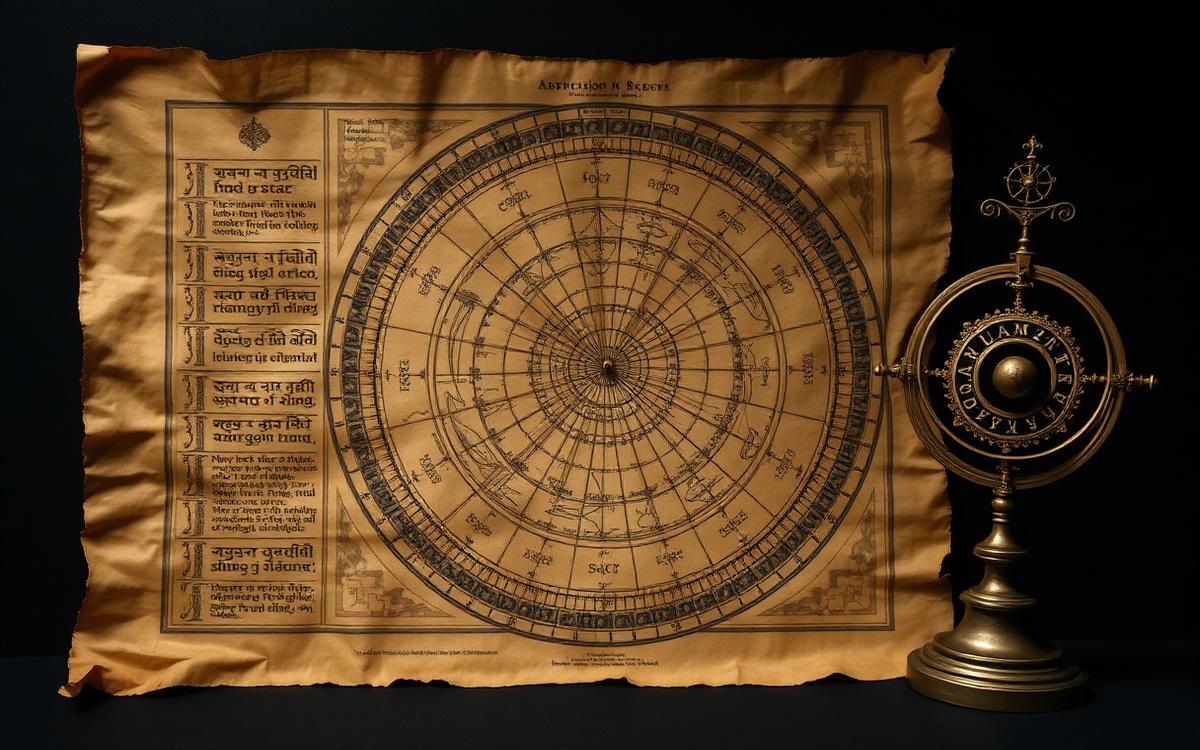
In Enuma Elish V, Marduk sets a star called Nēberu to mark the crossing point of the heavens and hold the positions of the others steady. The astronomical compendium MUL.APIN uses the term for a fixed reference in the sky, most often Jupiter's station. It is a surveying term borrowed from river crossings — the place where you get across.
The 3,600 years
The figure is imported from the sar, the base-60 unit that produces the King List's long reigns. Sitchin joined the two: if a sar is 3,600 and the first kings reigned in sars, then a sar must be an orbital period. Nothing in the astronomical texts links the number to Nēberu, and the Babylonians who tracked planets to within minutes never recorded a body on such a path.
The modern doomsday afterlife
Nibiru left the ancient-astronaut literature in the 1990s and became a recurring collision prophecy, attached to 2003, then 2012, then a sequence of later dates. NASA maintains a public page about it because the enquiries never stop. It is now a folklore object with almost no remaining connection to anything Babylonian.